Streetsblog
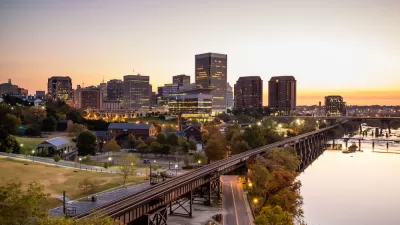
Quality Bus Rapid Transit Drives Systemwide Ridership Improvements in Richmond, VA
Richmond, Virginia has achieved a big ridership bump, without a big investment.
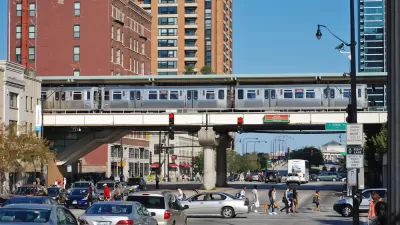
Chicago Gets Federal Money for TOD Planning Efforts to Accompany Red Line Extension
The long-discussed 130th Street Red Line stop gets federal money for planning transit-oriented development to accompany the proposed new station.
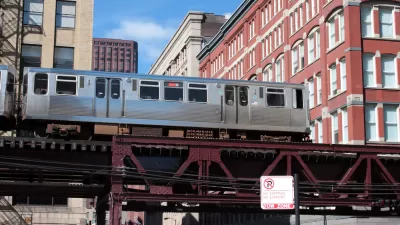
No Fare Hikes for Chicago in 2019 Budget
The Chicago Transit Agency 2019 includes a flyover at the Belmont train station, rehabs for two Blue Line stops, and Red and Purple Line modernizations, among other things.
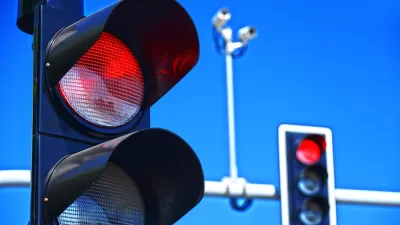
Decades-Long Quest for Safer Streets Reaches an Important Milestone
Melissa Wandall has been fighting for safer conditions for Florida streets since the death of her husband Mark Wandall in 2003. Earlier this month, the Supreme Court of Florida upheld a traffic safety law passed in his name.

If You're Ignoring Transportation, You're Not Much of a Climate Mayor
Encouraging compact land use by allowing density, building near transit, and eliminating parking minimums can have a powerful effect on the emissions a city generates.

DUI Arrests in Chicago Continue to Decline. Did Ride Hailing Do That?
Some credit a drop in DUI arrests in the city of Chicago to drunks using ride hailing services.
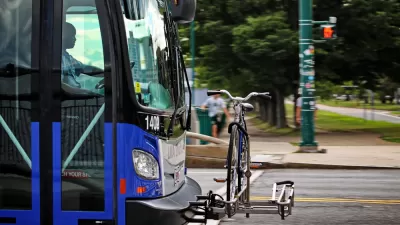
Speeding Up Buses in Boston
Boston's busiest buses are slow and have lost ridership, the LivableStreets Alliance proposes a plan for changing that.
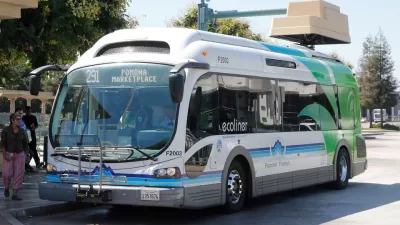
Chicago to Buy Electric Buses
The Chicago Transit Authority (CTA) plans to put 20 electric buses into their fleet and power them with en-route chargers.

Getting Active: More Money for California Bike and Pedestrian Trails
Senate Bill 1 (S.B. 1) will provide additional funding for bike and pedestrian projects. The influx of money means many shelved projects will now go forward.

New, Modern Regulations May Speed Trains
The Federal Railroad Administration will soon update regulations regarding U.S. trains, this could have major impact on the industry and train travel.
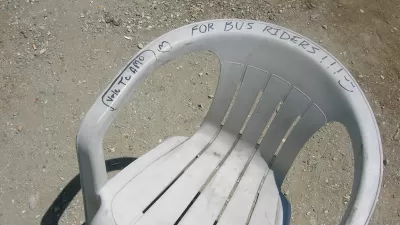
Help Transit Riders Improve Their Bus Stops
Riders in ten cities are raising money to spruce up their bus stops.

Safe Streets for Whom?
An equity strategist offers advice on creating safe streets programs that address systemic racism.
De Blasio Outlines Plan to Eliminate NYC Traffic Deaths
Yesterday, Mayor de Blasio launched “Vision Zero”, a multi-agency effort to eliminate NYC's traffic deaths within a decade. With eleven deaths (seven of them pedestrians) already recorded in the new year, progress can't come soon enough.

Possibly Coming to a City Near You: Bike Boxes, Bike Traffic Signals
Bike boxes and bike traffic signals can greatly assist cyclists in navigating through intersections where the majority of bike-motor vehicle collisions occur. A key advisory committee may recommend official acceptance, which would green-light them.
Correlating Driving Misbehavior with Crime
Is there a correlation between running red lights and more violent crime like robberies and homicide? Gabe Klein, Chicago's distinguished outgoing transportation commissioner, thinks so. It's been dubbed "the broken windows effect."
Transit, Biking and Walking are Big Winners in Pennsylvania Gas Tax Increase
Gas tax increases can mean more road funding, period, particularly where constitutional restrictions prohibit spending gas tax revenues on other modes, as exists in Pa.; yet all modes will benefit from the 28-cent gas tax increase legislation.
Livable Streets Advocates Are Winners on NYC Primary Day
Bill de Blasio wasn't the only candidate backed by the newly-formed livable streets political action committee StreetsPAC to emerge victorious from Tuesday's primary elections in NYC. 13 of 18 council candidates supported by StreetsPAC won.
Streetmix Socializes Street Design
OK, so we missed this relaunch for our just-published list of the Top Websites. Another remarkable venture from the fellows at civic tech leader Code for America, Streeetmix is an impressively user-friendly and attractive tool for designing streets.
Mass. Transportation Plan Admirable, Funding Plan Abominable
In a preview of his statewide transportation plan, Mass. Gov. Deval Patrick unveiled an ambitious agenda and an appetizing menu of potential funding options on Monday. The final plan released yesterday has some wanting to send their meals back.
Study Shows Smart Growth Reduces Automobile Usage
A new study shows that denser, more transit-oriented development will lead to an overall decrease in miles driven, reports Angie Schmitt.
City of Costa Mesa
Licking County
Barrett Planning Group LLC
HUD's Office of Policy Development and Research
Mpact Transit + Community
HUD's Office of Policy Development and Research
Tufts University, Department of Urban and Environmental Policy & Planning
City of Universal City TX
ULI Northwest Arkansas

Urban Design for Planners 1: Software Tools
This six-course series explores essential urban design concepts using open source software and equips planners with the tools they need to participate fully in the urban design process.
Planning for Universal Design
Learn the tools for implementing Universal Design in planning regulations.