The New York Times
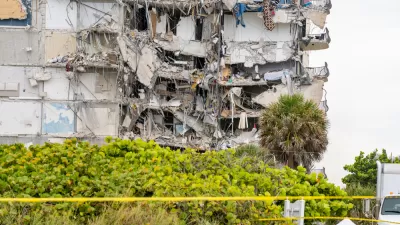
The Problem With Miami Beach's High-Rises
Last year's Miami Beach condo collapse could portend more tragedy to come if developers don't address the risks of aging buildings and climate change.
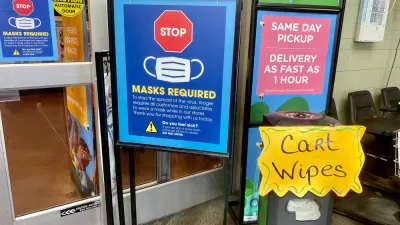
The Pandemic Era
"We are living in the Covid-19 era, not the Covid-19 crisis," Allan Brandt, a historian of science and medicine at Harvard University, told Gina Kolata of the New York Times last October in a review of past pandemics and what we can learn from them.

New York's Commuter Rail Ridership May Never Reach Pre-Pandemic Levels
Shifting commute patterns and the popularity of remote work could pose an existential threat to the New York City region's commuter rail services.

National Roadway Safety Program Centers Vision Zero at the Federal Level
A new federal program will direct resources to reducing traffic deaths, improving roadway safety, and encouraging a shift to sustainable transportation modes.

COVID Zero: The High Price of Containment
Vision Zero: a strategy to eliminate road crashes, particularly those with fatal outcomes. COVID Zero: a strategy to end coronavirus transmission. Only one has worked—but at a steep price.

Experts Express Pessimism Over Housing Costs
Although the current housing crisis has been compared with the housing crash of the late 2000s, experts caution that affordability issues could plague the U.S. housing market for years to come.

The NYC Subway's Uneven Recovery
As subway riders return in fits and starts, some stations are experiencing a much faster recovery than others.

Opinion: One Solution to Manhattan's Land Shortage: Just Build It
A New York Times op-ed calls on the city to add landfill development on Manhattan's southern shoreline, claiming it would increase affordability and protect the city from rising sea levels.

Tracking the New York Subway's Uneven Recovery
Ridership on the New York Subway has a long way to go to return to pre-pandemic normal, and the setbacks of recent months haven't helped the cause.
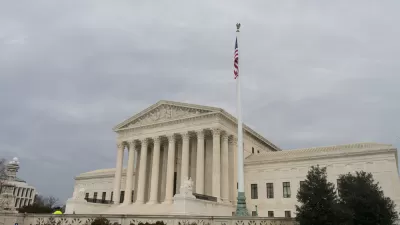
Supreme Court: OSHA Exceeded its Public Health Authority
The Supreme Court ruled that the Occupational Safety and Health Administration had overreached its authority to protect the health of workers in large private companies. In a separate decision, it upheld a vaccine mandate for most healthcare workers.
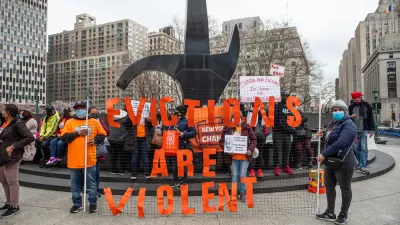
New York's 'Good Cause Eviction' Bill, Explained
Here's a slightly humorous approach to a serious topic: the Good Cause Eviction law making its way through the New York State Legislature.
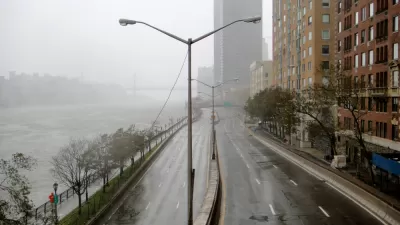
Saving Lower Manhattan
A debate over how to protect the East River waterfront from Sandy-level flooding and storm damage has delayed the project as community activists decry the city's last-minute change of plans.

Manhattan Traffic Spreading to Other Boroughs
New travel patterns and an increased reliance on delivery services and ride-hailing are creating more congestion in New York's outer boroughs.

Video Games on Tesla Screens? Not So Fast, Say Safety Regulators
The Passenger Play video feature available in most Tesla cars has caught the attention of regulators at the National Highway Transportation Safety Administration.
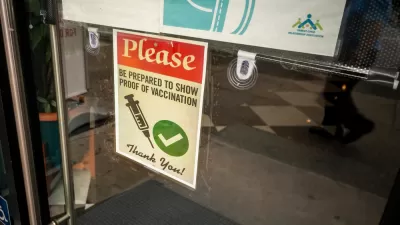
Federal Vax-or-Test Mandate for Large Employers Reinstated
Judges of the U.S. Sixth Circuit Court of Appeals decided, 2-1, to allow the Biden administration's vax-or-test mandate for private sector employers, removing a stay placed on the OSHA rule by the Fifth Circuit. Enforcement begins Feb. 9.
Alexander Garvin, Famed Planner, Author, and Teacher, Dies at 80
Alexander Garvin passed away in New York on December 17, 2021.
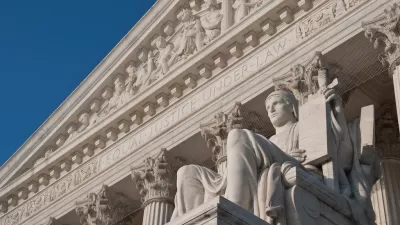
U.S. Supreme Court Upholds New York State Vaccine Mandate
Health care workers in New York will be required to be vaccinated against COVID-19 after the Supreme Court voted 6-3 to reject hearing an appeal brought by workers who had sought a religious exemption. Also, an update on the federal vaccine mandate.

Climate Change Is All Around
A massive interactive feature published by the New York Times tells 193 stories—for 193 countries—to illustrate the ravages of climate change in every corner of the globe.
New York MTA to Cap Weekly Transit Fares
Public transit agencies are getting creative in the effort to bring riders back to buses and trains.

New York City Mayor Goes Out With a (Covid Policy) Splash
Mayor Bill de Blasio's second term ends on New Year's Eve. On Dec. 6, he announced the nation's strictest COVID mandate: All workers in New York City must be at least partially vaccinated by Dec. 27. Did he consult with his successor, Eric Adams?
City of Costa Mesa
Licking County
Barrett Planning Group LLC
HUD's Office of Policy Development and Research
Mpact Transit + Community
HUD's Office of Policy Development and Research
Tufts University, Department of Urban and Environmental Policy & Planning
City of Universal City TX
ULI Northwest Arkansas

Urban Design for Planners 1: Software Tools
This six-course series explores essential urban design concepts using open source software and equips planners with the tools they need to participate fully in the urban design process.
Planning for Universal Design
Learn the tools for implementing Universal Design in planning regulations.