Transportation Planning
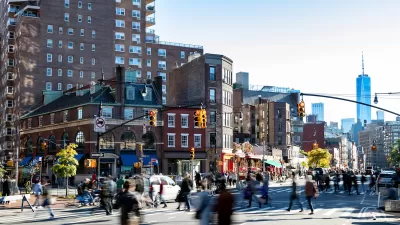
Planning for Accessibility: Proximity is More Important than Mobility
Accessibility-based planning minimizes the distance that people must travel to reach desired services and activities. Measured this way, increased density can provide more total benefits than increased speeds.

Calculating Vehicle Travel Reduction Benefits
The Rocky Mountain Institute's new Smarter MODES Calculator quantifies economic, social and environmental benefits provided by shifts from automobile travel to more resource-efficient modes. This includes benefits that are often overlooked or undervalued in conventional planning.

San Diego Region Developing Long-Range Transportation Plan
The new plan, set to take effect in 2025, accounts for changes in mobility patterns brought on by remote work.

Planetizen’s Top Planning Books of 2023
The world is changing, and planning with it.

Planning for the Autonomous Future
With some historical perspective, transportation planners and policymakers can avoid the mistakes of the past and develop a transportation system that acknowledges the needs of all road users.

When it Comes to Vehicle Travel, Less is More
Motor vehicle travel provides many benefits, but also imposes large costs on users and communities. With better planning people can drive less, rely more on non-auto modes, enjoy more access, and be better off overall as a result.

Turning a Gendered Lens on Transportation
People of different genders, ages, and abilities experience transportation differently. But policies aren’t designed that way.
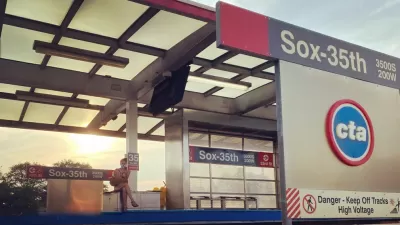
$2 Billion Federal Grant for Red Line Extension Project to Chicago’s South Side
A plan to extend the Chicago Transit Authority (CTA) Red Line 5.6 miles to the south won a $2 billion grant from the federal government.

Seattle Releases Draft 20-Year Transportation Plan
The draft Seattle Transportation Plan proposes an ambitious agenda for the next 20 years of transportation planning in the city of Seattle.
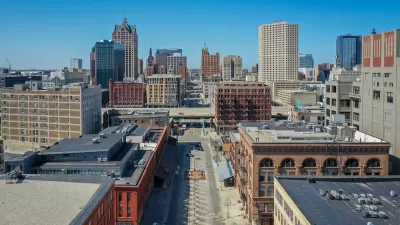
Plan to Potentially Remove Downtown Milwaukee’s Interstate Faces Public Scrutiny
The public is weighing in on a suite of options for repairing, replacing, or removing Interstate 794 in downtown Milwaukee.
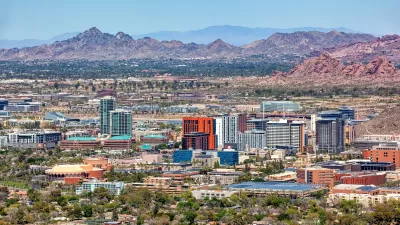
‘Tempe Tomorrow’ Plans for Expected Population Growth
Tempe planners are preparing a General Plan update scheduled for voter approval in March 2024.
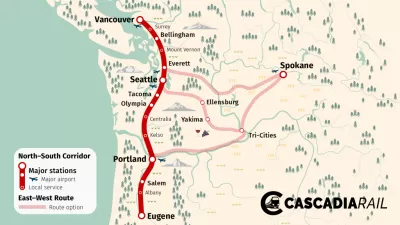
Cascadia High-Speed Rail Corridor Seeking Federal Funding
The state of Washington is hoping federal infrastructure funding can pay for $198 million of the $348 million necessary to plan the Cascadia High-Speed Rail project.
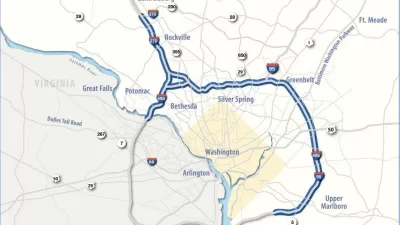
Maryland Highway Widening Plans Moving Forward Under New Governor
Maryland Governor Wes Moore is differentiating his new administration from his predecessor’s, but some projects, like the widening of federal highways in the Capital Beltway, stay the same.
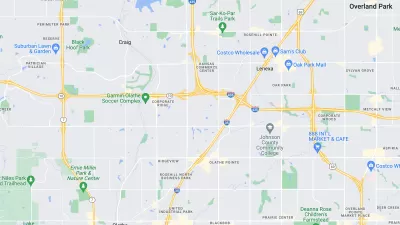
Tolling Gaining Traction for Highway Projects in Kansas
After the state broke ground on a tolled express lane project at the eastern edge of Kansas, near Kansas City, tolls are also under consideration in the nascent stages of a corridor study located at the southwest edge of the same region.

Michigan’s Draft Five-Year Transportation Plan Includes $10.9 Billion for Highway Projects
Michigan legislators are also considering $3.7 billion for the state’s Public Transportation Program over the next five years.
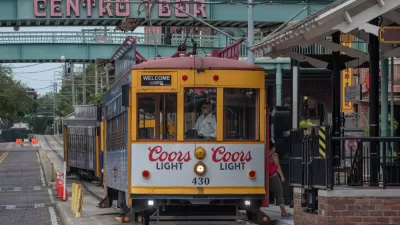
Tampa Unveils 30-Year Mobility Plan
The Tampa MOVES plan would spend $2 billion to relieve congestion, reduce traffic collisions, and improve mobility equity in the city.

What Is Transportation Demand Management?
When a government creates incentives or disincentives to influence how and when you travel—that's transportation demand management.

Washington Governor Delays Progress on Mileage Fee, Again
For the second time in two years, Gov. Jay Inslee has dealt a legislative setback to transportation planning efforts to prepare for the 2035 ban on the sale of gas-tax paying light duty motor vehicles to reduce carbon emissions.

Sioux Falls Multi-Family Development Outpaces Transportation Improvements
Sioux Falls, South Dakota is undergoing a multi-family development boom. Residents are increasingly concerned about the traffic the development brings, according to local news reports.
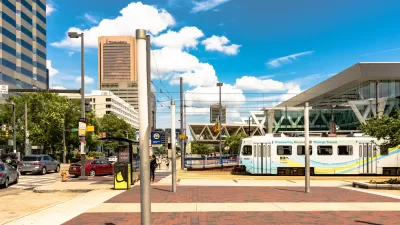
Baltimore Close to Approving $70 Billion Transportation Plan
The region’s proposed long-range plan includes over $11 billion for transit projects.
City of Costa Mesa
Licking County
Barrett Planning Group LLC
HUD's Office of Policy Development and Research
Mpact Transit + Community
HUD's Office of Policy Development and Research
Tufts University, Department of Urban and Environmental Policy & Planning
City of Universal City TX
ULI Northwest Arkansas

Urban Design for Planners 1: Software Tools
This six-course series explores essential urban design concepts using open source software and equips planners with the tools they need to participate fully in the urban design process.
Planning for Universal Design
Learn the tools for implementing Universal Design in planning regulations.