Disaster Planning
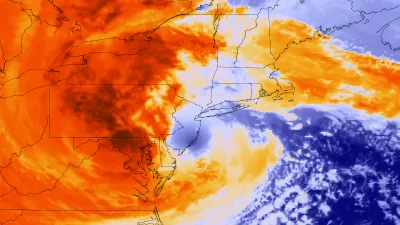
Jail the Planners for Not Preventing Sandy!
Ed Blakely indicts the planning profession for failing to protect our communities from the threat of a changing climate. How can we plan places that serve as bulwarks from the worst physical traumas, while providing economic and social resiliency?
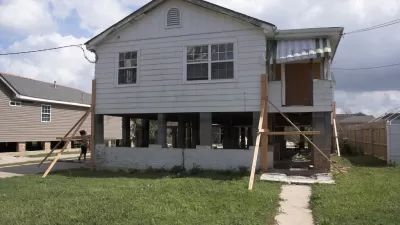
Adapting Building Codes to Natural Disasters Saves Billions
New research shows that modern building codes have prevented around $27 billion in damage from natural disasters between 2000 and 2016, yet many cities still operate under decades-old regulations.
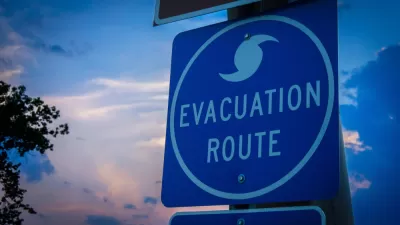
The Compounding Dangers of the Virus and Natural Disasters
As Hurricane Laura intensified into a Category 4 storm, public officials had to make decisions about evacuation during a time of sheltering in place. Researchers at Texas A&M University developed a risk index to guide decisionmaking processes.
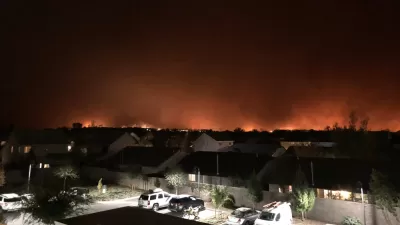
In Paradise, Using Greenbelts to Manage Wildfires
The Camp Fire in California devasted the town of Paradise. As rebuilding progresses, local leaders are looking to protect the town using nature-based fire resilience strategies.
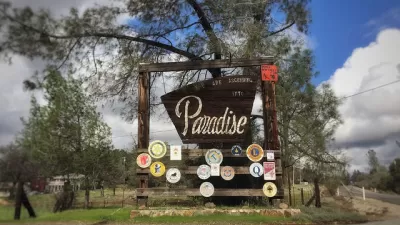
California Town Looks to Rebuild After Wildfire, but No Clear Path Forward
Paradise, California, burned to the ground last year, and the town’s recovery has begun. But questions remain about the measures that should be put into place to prevent another disaster.

Awareness of Climate Change Threats Doesn't Motivate People to Act, Study Finds
Disaster preparedness efforts need to take into account that homeowners in vulnerable areas don’t take action even when the risks are clear.
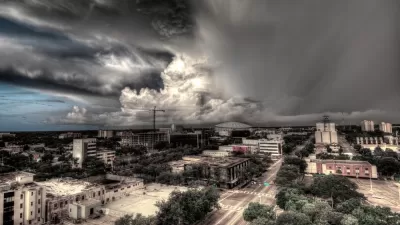
Tampa Bay Isn't Prepared for the Hurricanes of the Future
The area is especially vulnerable to storm surge, and increased development means more people are at risk when major hurricanes push through.

L.A. Program Brings Earthquake Preparedness to Neighborhoods
A new Los Angeles initiative looks to neighborhood councils to lead disaster planning efforts that involve more residents.
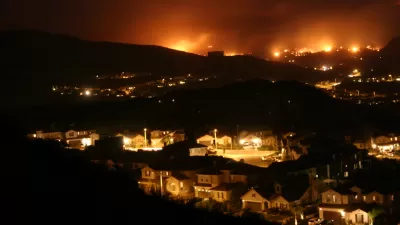
The Post-Wildfire Dilemma: Rebuild or Retreat?
Even after experiencing devastating wildfires, residents are often willing to take the risk to return and start over.

Texas Has a Lot of Work to Do to Prepare for Future Hurricanes, Says Report
A new report outlines a long list of measures the state needs to take to prevent catastrophic outcomes. However, it avoids directly discussing climate change as a cause of increasingly severe natural disasters.
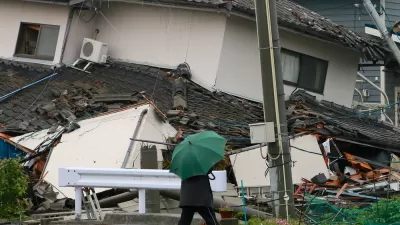
Idea Worth Copying: Japan's Theme-Park-Style Disaster Preparation Centers
Visitors to Japan’s theme-park-style disaster preparation centers can experience simulated quakes, typhoons, and fires. Perhaps a similar idea would be helpful in part of the United States?
FEMA to States: Want Disaster Mitigation Funds? Then Plan for Climate Change
A policy adopted earlier this year and due to go into effect next March would require states to plan for climate change before they are eligible to receive grant funding to plan for disasters.
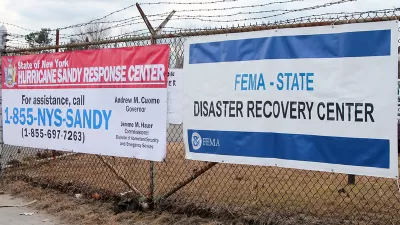
National Resilience Agency Needed to Prepare for Continued Disasters
Be Prepared! It's more than a motto: it's how we must respond to continuing large-scale natural disasters.
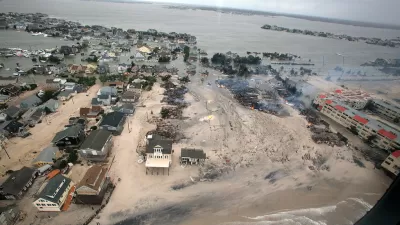
The Era of “When, Not If,” Compels a New Approach to Waterfront Development
On the anniversary of Hurricane Sandy, ULI offers guidance on post-disaster rebuilding and building in anticipation of future disasters in a way that helps preserve the environment, boost economic prosperity, and foster a high quality of life.
Earl Blumenauer on America's Unwise Approach to Disaster Planning and Recovery
Oregon Congressman Earl Blumenauer talks about the failures with federal natural disaster relief and how the country should build its resiliency to climate change with The Planning Report.
Have Planners Made the Gulf Coast Better Since Katrina?
In the eight years since Hurricane Katrina, the Gulf Coast states have made great strides in adopting new visions for their cities and towns. A new report outlines the recovery's progress, pointing to successes in housing and transportation.
Coastal Flooding Could Cost $1 Trillion Annually by 2050
By 2050, scientists believe that flooding could inflict $1 trillion in annual loses globally, up from $6 billion per year today. The United States and China are well represented in a list of the 20 cities facing the highest annual flood costs.
After Disaster, Planning Provides Road to Recovery for Lac-Mégantic
Lac-Mégantic, Quebec was the site of a train derailment that cost dozens of lives and destroyed 10 blocks of its downtown. Now residents and town leaders are working to heal from that tragic event with plans for the future.
Penn Station Access Plan Has Long Island Legislators Worried
While MTA’s East Side Access project, which will bring Long Island Rail Road (LIRR) trains directly to Grand Central Terminal by 2019, has received much attention, less well-know is a complementary plan to bring Metro-North trains to Penn Station.
Investigation Exposes New Jersey Transit's Botched Sandy Prep
In the aftermath of Hurricane Sandy, NYC's rail system was up and running again fairly quickly, with only 19 of its rail cars damaged by the storm. By comparison, hundreds of New Jersey Transit's rail cars were damaged and months of delays ensued.
City of Costa Mesa
Licking County
Barrett Planning Group LLC
HUD's Office of Policy Development and Research
Mpact Transit + Community
HUD's Office of Policy Development and Research
Tufts University, Department of Urban and Environmental Policy & Planning
City of Universal City TX
ULI Northwest Arkansas

Urban Design for Planners 1: Software Tools
This six-course series explores essential urban design concepts using open source software and equips planners with the tools they need to participate fully in the urban design process.
Planning for Universal Design
Learn the tools for implementing Universal Design in planning regulations.