


The product of three years of research, this comprehensive report ranks the impact of sprawl on 83 metropolitan areas. The study finds that sprawl leads to more driving, traffic deaths, and air pollution.


"Among the reports findings: * More Driving. The daily distance driven per person is more than ten miles more in the most sprawling places than in the least sprawling, adding up to 40 more miles of automobile travel each day for a family of four.* More Traffic Deaths. The ten most sprawling places average 15 traffic deaths for every 100,000 people, while the least sprawling average 10.7 deaths per 100,000.* More Air Pollution. Ozone pollution levels are as much as 41 parts per billion higher in the most sprawling areas, which can mean the difference between safe, code green air quality and code red air quality." [Includes a ranking table for metro areas, an executive summary , and text of the entire report]
Thanks to Abhijeet Chavan
FULL STORY: Measuring Sprawl

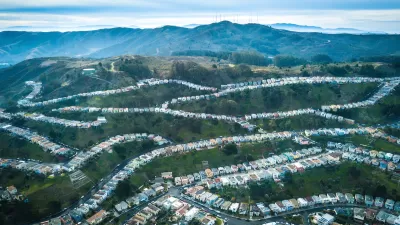
Depopulation Patterns Get Weird
A recent ranking of “declining” cities heavily features some of the most expensive cities in the country — including New York City and a half-dozen in the San Francisco Bay Area.
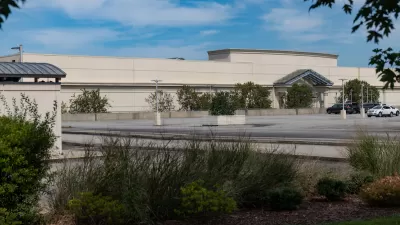
Pennsylvania Mall Conversion Bill Passes House
If passed, the bill would promote the adaptive reuse of defunct commercial buildings.
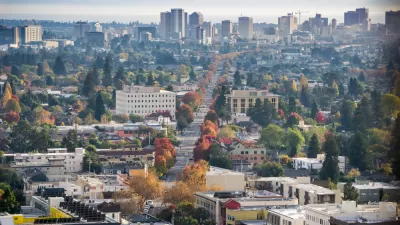
California Exodus: Population Drops Below 39 Million
Never mind the 40 million that demographers predicted the Golden State would reach by 2018. The state's population dipped below 39 million to 38.965 million last July, according to Census data released in March, the lowest since 2015.

Google Maps Introduces New Transit, EV Features
It will now be easier to find electric car charging stations and transit options.

Ohio Lawmakers Propose Incentivizing Housing Production
A proposed bill would take a carrot approach to stimulating housing production through a grant program that would reward cities that implement pro-housing policies.

Chicago Awarded $2M Reconnecting Communities Grant
Community advocates say the city’s plan may not do enough to reverse the negative impacts of a major expressway.
City of Costa Mesa
Licking County
Barrett Planning Group LLC
HUD's Office of Policy Development and Research
Mpact Transit + Community
HUD's Office of Policy Development and Research
City of Universal City TX
ULI Northwest Arkansas
Town of Zionsville

Urban Design for Planners 1: Software Tools
This six-course series explores essential urban design concepts using open source software and equips planners with the tools they need to participate fully in the urban design process.
Planning for Universal Design
Learn the tools for implementing Universal Design in planning regulations.
