


Chuck Wolfe traces the comeback of sandwich board signage in cities, explains how associated regulations work, and offers reasons why such signage should be carefully fostered.


Referencing sandwich board signs, Wolfe notes that "rethinking allowed uses in city rights-of-way can change the look and feel of streets in unexpected fashion" as "both fascinating symptoms and emblems of the changing city".
Referencing regulatory approaches in Aspen and Seattle, he offers five criteria for why sandwich boards should stay:
1. Homespun simplicity sells.
2. Artisans need work and small businesses need affordable ways to shine.
3. Well done signs bring character to neighborhood.
4. Sandwich boards can supplement permitted facade signage and increase the prominence of a small business.
5. Perhaps most important, like other forms of pop-up urbanism, removal is an option.
Wolfe concludes: "[W]e should foster and encourage quick fixes that innovate. If done right, aren't sandwich boards one example that can literally show the way?"
Thanks to Chuck Wolfe
FULL STORY: The Sandwich Board Makes a Comeback


Chicago Should Legalize A-Frame Signs, Alderman Says
A-frame sandwich board signs are illegal in Chicago, but they're widely used anyway.
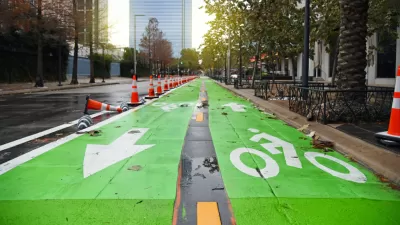
Houston Mayor Pauses Complete Streets Projects
The move raises concerns among road safety advocates who point out that traffic deaths continue to rise.
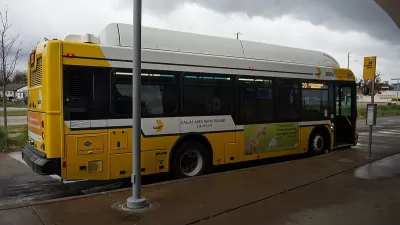
Dallas to Make Accessibility Improvements Near Bus Stops
The city approved over $30 million in contracts to fix broken sidewalks and add curb ramps near DART stations.
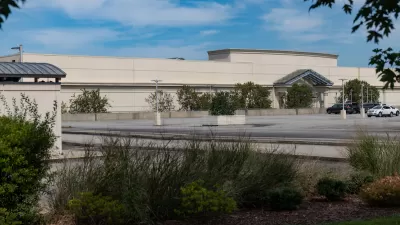
Pennsylvania Mall Conversion Bill Passes House
If passed, the bill would promote the adaptive reuse of defunct commercial buildings.
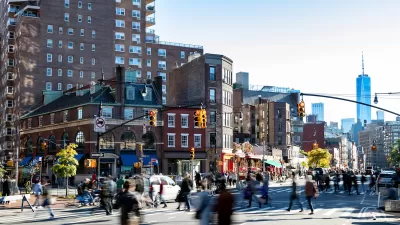
Planning for Accessibility: Proximity is More Important than Mobility
Accessibility-based planning minimizes the distance that people must travel to reach desired services and activities. Measured this way, increased density can provide more total benefits than increased speeds.
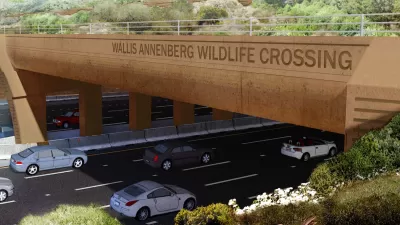
World's Largest Wildlife Overpass In the Works in Los Angeles County
Caltrans will soon close half of the 101 Freeway in order to continue construction of the Wallis Annenberg Wildlife Crossing near Agoura Hills in Los Angeles County.

Eviction Looms for Low-Income Tenants as Rent Debt Rises
Nonprofit housing operators across the country face almost $10 billion in rent debt.

Brightline West Breaks Ground
The high-speed rail line will link Las Vegas and the Los Angeles area.

Colorado Bans No-Fault Evictions
In most cases, landlords must provide a just cause for evicting tenants.
City of Costa Mesa
Licking County
Barrett Planning Group LLC
HUD's Office of Policy Development and Research
Mpact Transit + Community
HUD's Office of Policy Development and Research
Tufts University, Department of Urban and Environmental Policy & Planning
City of Universal City TX
ULI Northwest Arkansas

Urban Design for Planners 1: Software Tools
This six-course series explores essential urban design concepts using open source software and equips planners with the tools they need to participate fully in the urban design process.
Planning for Universal Design
Learn the tools for implementing Universal Design in planning regulations.
