


This piece from Urban Omnibus looks at how underutilized parts of the built environment are embraced by the skateboard community, and how those urban aspects are often co-opted into skatepark design.


Skatepark designer Buck Jackson reflects on the role architecture and infrastructure play in the skateboarding community.
"Sometimes, the spaces that inspire skaters the most are those that seem designed by default, or at least not intended to be used in this way. Other times, specific design interventions intended to discourage skaters' 'abuse' only make a skater's experience more enjoyable because of the added difficulty. But no matter the architect or city planner's original intention, if the designed form works for skaters, often it will be re-appropriated into skatepark design. This system – skaters appropriating parts of the built environment for their own uses to invent and test tricks and then skatepark designers appropriating what works into purpose-built skatepark design and construction – is essential to skateboarding. But the proliferation of skateparks being built today (estimated at three per day, nationwide) blurs the origin of the physical forms that define our sport."
FULL STORY: Design and the Urban Skatepark


No Place to Skateboard
Even as Japanese skateboarders achieve Olympic glory, skateboarding is still viewed as an unacceptable nuisance on Tokyo’s streets and parks.
Skateboarding and the City
Skateboarding is becoming a legitimate part of the urban landscape by revitalizing public spaces and engaging young people and the broader community.

Skateboarding Is Good for Cities, But Some Cities Don't Realize It
Some cities treat skateboarders like a plague, and that's a planning faux pas, according to this article.
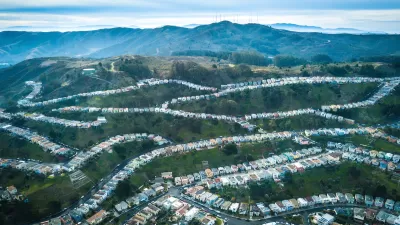
Depopulation Patterns Get Weird
A recent ranking of “declining” cities heavily features some of the most expensive cities in the country — including New York City and a half-dozen in the San Francisco Bay Area.
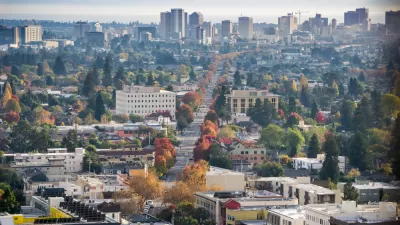
California Exodus: Population Drops Below 39 Million
Never mind the 40 million that demographers predicted the Golden State would reach by 2018. The state's population dipped below 39 million to 38.965 million last July, according to Census data released in March, the lowest since 2015.
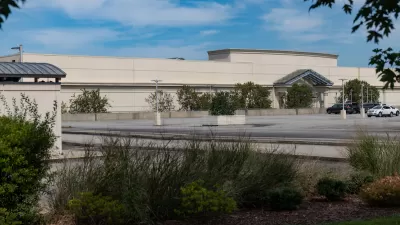
Pennsylvania Mall Conversion Bill Passes House
If passed, the bill would promote the adaptive reuse of defunct commercial buildings.

Google Maps Introduces New Transit, EV Features
It will now be easier to find electric car charging stations and transit options.

Ohio Lawmakers Propose Incentivizing Housing Production
A proposed bill would take a carrot approach to stimulating housing production through a grant program that would reward cities that implement pro-housing policies.

Chicago Awarded $2M Reconnecting Communities Grant
Community advocates say the city’s plan may not do enough to reverse the negative impacts of a major expressway.
City of Costa Mesa
Licking County
Barrett Planning Group LLC
HUD's Office of Policy Development and Research
Mpact Transit + Community
HUD's Office of Policy Development and Research
City of Universal City TX
ULI Northwest Arkansas
Town of Zionsville

Urban Design for Planners 1: Software Tools
This six-course series explores essential urban design concepts using open source software and equips planners with the tools they need to participate fully in the urban design process.
Planning for Universal Design
Learn the tools for implementing Universal Design in planning regulations.
