


This piece from Miller-McCune looks at the conservation easement and explains how the legal device is being used to protect land and prevent sprawl.


According to this article, the number of land trusts increased 32% between 2000 and 2005. Many expect that trend to continue due to this recession.
"This legal device makes good use of the dictum that says you have to give something to get something - in return for losing potential profit by preserving natural features, the landowner gets a tax break.
These easements are usually between a private landowner and a public or government agency that restricts the amount and type of development and protects the property's natural resources in perpetuity.
It's not a new concept. Thomas Tyner, regional counsel for the Northwest and Rocky Mountain region of the Trust for Public Land in Seattle, says the first conservation easement occurred in New England around the mid- to late 1800s."
FULL STORY: Earth to Stand on — Conservation Easements


Conservation Easement Program Protects 100,000 Acres of Agricultural Land in New York State
A state famous for its largest city is making a concerted effort to protect agricultural lands as part of a larger national push.

Farmland Preservation a Hot Topic in Idaho's Most Populous County
As the city of Boise and surrounding communities in Ada County, Idaho continue to grow and sprawl outward, agricultural land in the county may become a thing of the past.
Land Conservation Increasing in Spite of Recession
Land trust have been able to increase their holds during the last five years. Lower land prices and conservation easements on working ranches and farms have enabled greater conservation efforts.
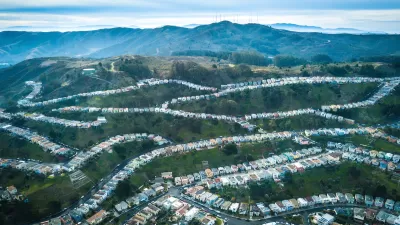
Depopulation Patterns Get Weird
A recent ranking of “declining” cities heavily features some of the most expensive cities in the country — including New York City and a half-dozen in the San Francisco Bay Area.
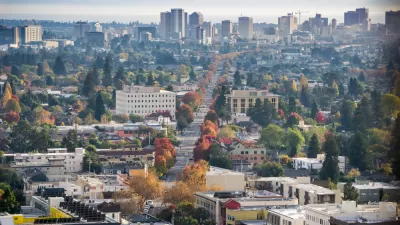
California Exodus: Population Drops Below 39 Million
Never mind the 40 million that demographers predicted the Golden State would reach by 2018. The state's population dipped below 39 million to 38.965 million last July, according to Census data released in March, the lowest since 2015.

Chicago to Turn High-Rise Offices into Housing
Four commercial buildings in the Chicago Loop have been approved for redevelopment into housing in a bid to revitalize the city’s downtown post-pandemic.

New Park Opens in the Santa Clarita Valley
The City of Santa Clarita just celebrated the grand opening of its 38th park, the 10.5-acre Skyline Ranch Park.

U.S. Supreme Court: California's Impact Fees May Violate Takings Clause
A California property owner took El Dorado County to state court after paying a traffic impact fee he felt was exorbitant. He lost in trial court, appellate court, and the California Supreme Court denied review. Then the U.S. Supreme Court acted.

How Urban Form Impacts Housing Affordability
The way we design cities affects housing costs differently than you might think.
City of Costa Mesa
Licking County
Barrett Planning Group LLC
HUD's Office of Policy Development and Research
Mpact Transit + Community
HUD's Office of Policy Development and Research
City of Universal City TX
ULI Northwest Arkansas
Town of Zionsville

Urban Design for Planners 1: Software Tools
This six-course series explores essential urban design concepts using open source software and equips planners with the tools they need to participate fully in the urban design process.
Planning for Universal Design
Learn the tools for implementing Universal Design in planning regulations.
