


General Growth Properties, the 2nd largest mall operator in the nation, declared bankruptcy this morning. The company was felled by mounting debt from short-term mortgages it used to expand its holdings.


"Despite bargaining for months with its creditors, General Growth faced dwindling options for handling its more than $25 billion in debt, largely in the form of short-term mortgages that will come due by next year. The company has been severely wounded by the recession, which has wreaked havoc upon the retailers who inhabit its more than 200 malls in 44 states. Many stores have shuttered, depriving mall operators like General Growth of revenue.
The filing by the Chicago-based company, made in federal bankruptcy court in Manhattan, included most of the company's malls, which will continue to operate. General Growth's reorganization efforts will likely focus on selling off properties. It has already suspended its stock dividend, cut its workforce by 20 percent and stopped virtually all new development."
FULL STORY: General Growth Properties Files for Bankruptcy

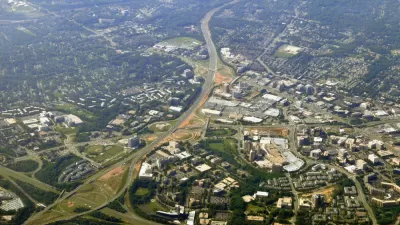
Rethinking Retail Space in the Wake of COVID-19
As e-commerce boomed and people sought outdoor shopping and dining options, the pandemic accelerated the decline of massive, merchandise-oriented retail spaces and indoor malls.
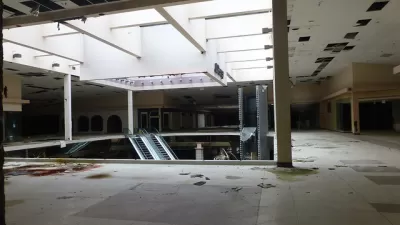
The End of the Mall? Navigating the Shifting Retail Landscape
More online shopping means fewer consumers are spending money at brick-and-mortar stores, with suburban malls hit especially hard. But municipalities are looking for creative strategies to navigate a post-mall world.
Credit Suisse Says One in Every Four U.S. Malls Will be Gone by 2022
More apparel sales will move online, and department stores will continue to struggle in 2017.
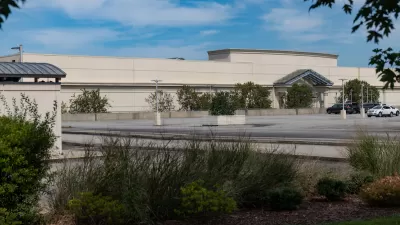
Pennsylvania Mall Conversion Bill Passes House
If passed, the bill would promote the adaptive reuse of defunct commercial buildings.
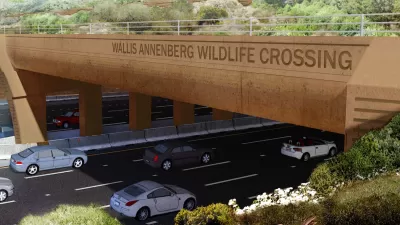
World's Largest Wildlife Overpass In the Works in Los Angeles County
Caltrans will soon close half of the 101 Freeway in order to continue construction of the Wallis Annenberg Wildlife Crossing near Agoura Hills in Los Angeles County.

U.S. Supreme Court: California's Impact Fees May Violate Takings Clause
A California property owner took El Dorado County to state court after paying a traffic impact fee he felt was exorbitant. He lost in trial court, appellate court, and the California Supreme Court denied review. Then the U.S. Supreme Court acted.

AI Traffic Management Comes to Dallas-Fort Worth
Several Texas cities are using an AI-powered platform called NoTraffic to help manage traffic signals to increase safety and improve traffic flow.

Podcast: Addressing the Root Causes of Transit Violence
Deploying transit police is a short-term fix. How can transit agencies build sustainable safety efforts?

Minneapolis as a Model for Housing Affordability
Through a combination of policies, the city has managed to limit the severity of the nationwide housing crisis.
City of Costa Mesa
Licking County
Barrett Planning Group LLC
HUD's Office of Policy Development and Research
Mpact Transit + Community
HUD's Office of Policy Development and Research
Tufts University, Department of Urban and Environmental Policy & Planning
City of Universal City TX
ULI Northwest Arkansas

Urban Design for Planners 1: Software Tools
This six-course series explores essential urban design concepts using open source software and equips planners with the tools they need to participate fully in the urban design process.
Planning for Universal Design
Learn the tools for implementing Universal Design in planning regulations.
