


In this op-ed, Peter Calthorpe warns against a massive investment to stimulate sprawl as was done after WWII. He notes 3 areas that need smart investment to make the American Dream sustainable: urban transit, environment, and multi-family housing.


"We must not unwittingly (allow the stimulus package to) subsidize another generation of sprawl by overinvesting in new freeways or underwriting remote subdivisions.
The alternative to sprawl is simple and timely: compact neighborhoods of housing, parks, and schools within walking distance of shops, jobs and transit.
Using the power of the federal government to promote such community development requires an integrated effort focused on three areas:
• Transportation funding that moves away from a bias for highway projects and toward transit investment.
• Environmental policy that protects air quality and opens space.
• Federal housing assistance that moves beyond its historic orientations toward single-family hosing to encourage urban redevelopment."
"Just as federal policy set the stage for sprawl with enormous investment in freeways and VA loans that drove sprawl, it must now support a new direction though investments in transit and walk able communities."
FULL STORY: Stimulus for the next American Dream

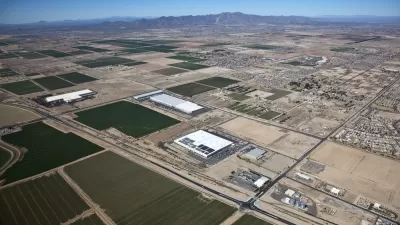
Arizona Tapping Groundwater to Fuel Suburban Growth
Critics say Arizona’s growth patterns are unsustainable and dangerous, given the depleted Colorado River and the state’s deepening reliance on groundwater.
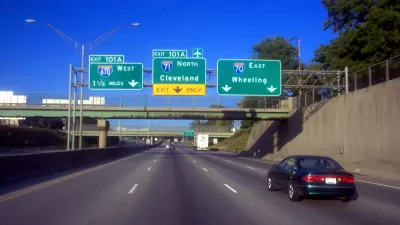
The 'INVEST in America Act' Would Help States Kick the Highway Habit
While Congress debates its bipartisan infrastructure deal, a House-approved bill, the INVEST in America Act, waits in the wings with the potential to alter the direction of transportation planning in the United States.
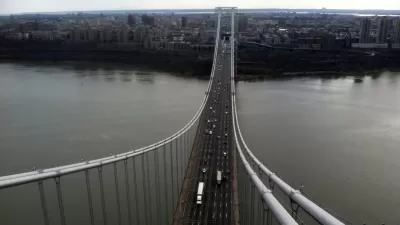
Updated: Strong Towns: Bipartisan Infrastructure Bill Would 'Make our Infrastructure Crisis Worse'
To some, the agreement promises too much funding for traditional infrastructure programs rather than 'adaptations and innovations.'
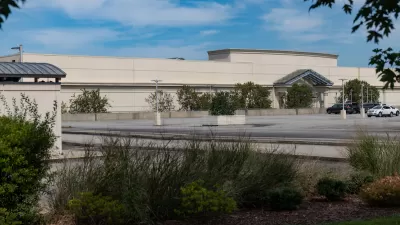
Pennsylvania Mall Conversion Bill Passes House
If passed, the bill would promote the adaptive reuse of defunct commercial buildings.
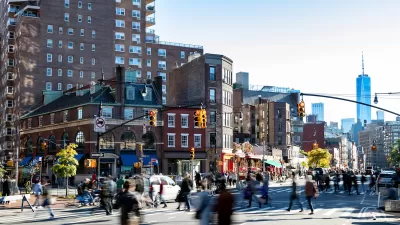
Planning for Accessibility: Proximity is More Important than Mobility
Accessibility-based planning minimizes the distance that people must travel to reach desired services and activities. Measured this way, increased density can provide more total benefits than increased speeds.
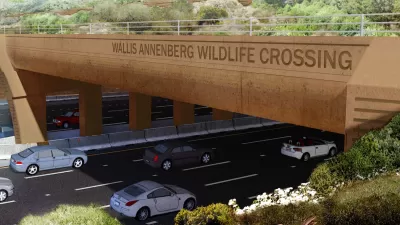
World's Largest Wildlife Overpass In the Works in Los Angeles County
Caltrans will soon close half of the 101 Freeway in order to continue construction of the Wallis Annenberg Wildlife Crossing near Agoura Hills in Los Angeles County.

How Transit Architecture Impacts Real and Perceived Safety
More than a third of Americans believe major transit systems are too unsafe to ride. The built environment can change that.

New York Passes Housing Package Focused on New Development and Adaptive Reuse
The FY 2025 budget includes a new tax incentive, funding for affordable housing on state land, and support for adaptive reuse and ADUs.

LA Metro Board Approves New 710 Freeway Plan
The newest plan for the 710 corridor claims it will not displace any residents.
City of Costa Mesa
Licking County
Barrett Planning Group LLC
HUD's Office of Policy Development and Research
Mpact Transit + Community
HUD's Office of Policy Development and Research
Tufts University, Department of Urban and Environmental Policy & Planning
City of Universal City TX
ULI Northwest Arkansas

Urban Design for Planners 1: Software Tools
This six-course series explores essential urban design concepts using open source software and equips planners with the tools they need to participate fully in the urban design process.
Planning for Universal Design
Learn the tools for implementing Universal Design in planning regulations.
