


Matthew Ridgeway wonders if the infrastructure benefits of new streetcar projects- facade improvement, streetscaping, community investment- could happen with direct investment, leaving streetcars out of the picture.


"The streetcar is once again becoming a key tool for economic development, this time to spur redevelopment of central city areas in transition. Examples of streetcar systems in the US include: Portland, Oklahoma City, and San Francisco. Each of these streetcar systems has resulted in major private-sector investment in the adjacent properties with windfalls to local jurisdictions resulting from increased property values, sales taxes, and job creation.
And yet in this go-round, the streetcar has not fundamentally changed access to an area. Where the streetcars of the early 1900's provided access to areas otherwise inaccessible, the current streetcar systems provide additional capacity to move people, but only nominally so and often at the expense of auto capacity. And the streetcars are often very slow. I have walked from Portland State University to the Pearl District staying ahead of the streetcar the entire mile-plus distance. So while we are infatuated with the streetcar (what is it about trains that gets people so excited?), is it really the streetcar that facilitates change and economic development? Or is it simply government investment?"
FULL STORY: Economic Stimulus that Improves Main Street

Streetcars and Recovery
A study of streetcar-adjacent development patterns in New Orleans following Hurricane Katrina provides lessons for the many U.S. cities building and planning new streetcar lines.
Applying the Brakes to the Streetcar Revival
With Los Angeles, Charlotte, Washington D.C. and many more cities hoping on board, seats are filling up quickly on America's streetcar bandwagon. However, experts caution gung ho cities about unreal expectations for improving mobility.
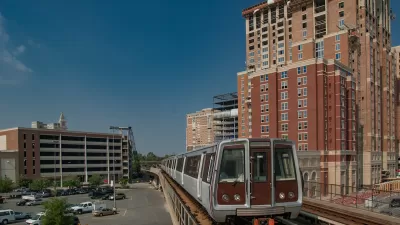
Making TOD More Viable
Tying housing and land acquisition funding to transit projects could make dense, walkable development easier and more cost-effective.
Pennsylvania Mall Conversion Bill Passes House
If passed, the bill would promote the adaptive reuse of defunct commercial buildings.
Planning for Accessibility: Proximity is More Important than Mobility
Accessibility-based planning minimizes the distance that people must travel to reach desired services and activities. Measured this way, increased density can provide more total benefits than increased speeds.
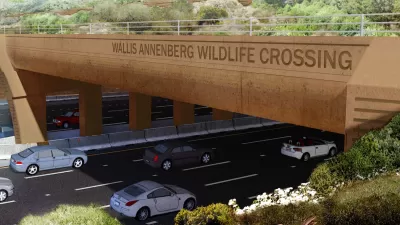
World's Largest Wildlife Overpass In the Works in Los Angeles County
Caltrans will soon close half of the 101 Freeway in order to continue construction of the Wallis Annenberg Wildlife Crossing near Agoura Hills in Los Angeles County.

Eviction Looms for Low-Income Tenants as Rent Debt Rises
Nonprofit housing operators across the country face almost $10 billion in rent debt.

Brightline West Breaks Ground
The high-speed rail line will link Las Vegas and the Los Angeles area.

Colorado Bans No-Fault Evictions
In most cases, landlords must provide a just cause for evicting tenants.
City of Costa Mesa
Licking County
Barrett Planning Group LLC
HUD's Office of Policy Development and Research
Mpact Transit + Community
HUD's Office of Policy Development and Research
Tufts University, Department of Urban and Environmental Policy & Planning
City of Universal City TX
ULI Northwest Arkansas

Urban Design for Planners 1: Software Tools
This six-course series explores essential urban design concepts using open source software and equips planners with the tools they need to participate fully in the urban design process.
Planning for Universal Design
Learn the tools for implementing Universal Design in planning regulations.
