


A new study finds that 65% of greenhouse gas emissions in the U.S. are under the direct or indirect control of individuals. However, many of those habits are difficult to change given land uses.


"The figure for consumers in the rest of the world is just 43%. Americans, largely because of how they drive and how they build and use their homes and offices, lead some of the most energy-intensive lives in the world.
'We in the U.S. have a much greater ability to influence this issue than perhaps people recognize,' says Jon Creyts, a McKinsey principal who assembled the numbers.
But harnessing people power won't be easy. There are big practical constraints, notably costs."
FULL STORY: A Big Sum of Small Differences

Social Equity: The Missing Leg of the Three-Legged Stool of Climate Action
Climate action plans cannot succeed without bona fide action on social equity and job creation, argues Murtaza Baxamusa who teaches planning at USC and develops affordable housing Murtaza Baxamusa.

China Plants 'Great Green Wall' of Trees
Net deforestation continues, but at a slower rate as the world's largest ecological engineering project stretches for a planned 2,800 miles. It is hoped the new trees will halt the advance of the Gobi Desert.
Op-Ed: Reintroduce California's Historic Restoration Tax Credit
Despite a veto by Governor Jerry Brown, California’s Assembly Speaker Toni Atkins should keep trying to pass legislation to encourage preservation, says Bay area preservation architect Jerri Holan.
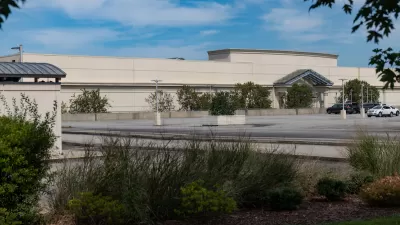
Pennsylvania Mall Conversion Bill Passes House
If passed, the bill would promote the adaptive reuse of defunct commercial buildings.

Planning for Accessibility: Proximity is More Important than Mobility
Accessibility-based planning minimizes the distance that people must travel to reach desired services and activities. Measured this way, increased density can provide more total benefits than increased speeds.
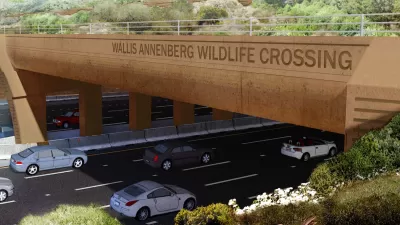
World's Largest Wildlife Overpass In the Works in Los Angeles County
Caltrans will soon close half of the 101 Freeway in order to continue construction of the Wallis Annenberg Wildlife Crossing near Agoura Hills in Los Angeles County.

Eviction Looms for Low-Income Tenants as Rent Debt Rises
Nonprofit housing operators across the country face almost $10 billion in rent debt.

Brightline West Breaks Ground
The high-speed rail line will link Las Vegas and the Los Angeles area.

Colorado Bans No-Fault Evictions
In most cases, landlords must provide a just cause for evicting tenants.
City of Costa Mesa
Licking County
Barrett Planning Group LLC
HUD's Office of Policy Development and Research
Mpact Transit + Community
HUD's Office of Policy Development and Research
Tufts University, Department of Urban and Environmental Policy & Planning
City of Universal City TX
ULI Northwest Arkansas

Urban Design for Planners 1: Software Tools
This six-course series explores essential urban design concepts using open source software and equips planners with the tools they need to participate fully in the urban design process.
Planning for Universal Design
Learn the tools for implementing Universal Design in planning regulations.
