


As logging declines in Colorado forests, developers are preparing to build in pockets wedged in-between parkland. The proper use of historic easements is at the center of the debate.


"If land ownership could be seen from the air, western Montana would look like a checkerboard: Parcels of national forest alternate with 1.2 million acres of private land, grants made to railroads in the late 1800s. Those grant lands are now part of the 8 million acres owned nationwide by Seattle-based Plum Creek Timber Company.
With logging in decline, Plum Creek sees its future in real estate. Last year, land sales made up about one-quarter of company revenues. But Plum Creek has a problem: It's not clear whether the company's customers can legally access their Montana properties over national forest roads.
For decades, the company has held easements on national forest roads that allow it to haul timber, but the question is whether those easements automatically permit residential access as well. Montana counties and conservation groups say they don't."
FULL STORY: Easing into development


When Pennsylvania's 'Right to Farm' Means Living With the Pigs Next Door
New residents to formerly agricultural area are trying to shut down a hog-feeding operation, but so far without much success.
Sydney's Most Valuable Site Set for Preservation Battle
With an election looming, the fate of one of Sydney's landmarks rests with voters as current Prime MInister Kevin Rudd suggests selling Garden Island should he be re-elected. Stephen Nicholls and Antony Lawes consider the site's future.

How the Great American Outdoors Act Improved Public Lands
The 2020 federal law has helped fund park maintenance projects and improve access to public lands.
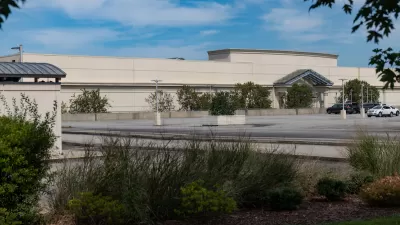
Pennsylvania Mall Conversion Bill Passes House
If passed, the bill would promote the adaptive reuse of defunct commercial buildings.
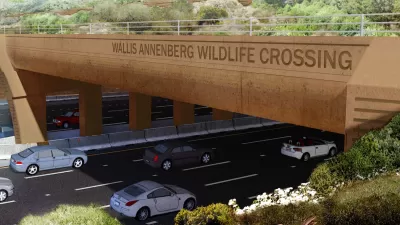
World's Largest Wildlife Overpass In the Works in Los Angeles County
Caltrans will soon close half of the 101 Freeway in order to continue construction of the Wallis Annenberg Wildlife Crossing near Agoura Hills in Los Angeles County.

U.S. Supreme Court: California's Impact Fees May Violate Takings Clause
A California property owner took El Dorado County to state court after paying a traffic impact fee he felt was exorbitant. He lost in trial court, appellate court, and the California Supreme Court denied review. Then the U.S. Supreme Court acted.

Indy Bikeshare System Turns 10, Expands to E-Bikes
Pacers Bikeshare riders logged over 700,000 rides since the system launched in 2014.

Coming Soon to Ohio: The Largest Agrivoltaic Farm in the US
The ambitious 6,000-acre project will combine an 800-watt solar farm with crop and livestock production.

New York’s Deadliest Neighborhoods for Pedestrians
Pedestrian deaths rose last year, but remain below pre-2020 levels.
City of Costa Mesa
Licking County
Barrett Planning Group LLC
HUD's Office of Policy Development and Research
Mpact Transit + Community
HUD's Office of Policy Development and Research
Tufts University, Department of Urban and Environmental Policy & Planning
City of Universal City TX
ULI Northwest Arkansas

Urban Design for Planners 1: Software Tools
This six-course series explores essential urban design concepts using open source software and equips planners with the tools they need to participate fully in the urban design process.
Planning for Universal Design
Learn the tools for implementing Universal Design in planning regulations.
