


Plans to expand the bicycle network in New York City are underway as part of Mayor Michael Bloomberg's long-term plan to make the city more environmentally friendly. But proposals to increase the city's bike lanes are meeting opposition from locals.


"More than ten years ago, the Giuliani administration formally introduced the Bicycle Master Plan for New York City, an initiative to develop a city-wide bicycle network to increase ridership and integrate cycling into the city's transportation system. Since then, the plans have evolved. This spring, cycling has emerged as part of PlaNYC 2030, Mayor Michael Bloomberg's ambitious proposal to make New York City more environmentally friendly and reduce carbon emissions believed to cause global warming. The current plan calls for the completion of an 1,800-mile system of bike routes by 2030, as well as improvements to biking facilities and increasing public awareness. But New York still lags behind many other cities when it comes to promoting bicycling, and a number of questions remain about safety, facilities and the fight for always scarce space in the crowded city."
"The city's move toward a complete bicycle network has not been without debate. A proposed bicycle lane on a car-free block of East 91st Street has drawn opposition from members of the local community who want to preserve the tranquility and safety of the street. The Upper East Side residents of Community Board 8 are also frustrated that city officials did not consult them before deciding on the lanes, according to David Liston, the board's chairman."
"Many New Yorkers cannot take advantage of the city's lanes and paths because they either do not have a bike – it can be hard to store them in tiny apartments-or find it difficult to transport their bikes around the city. To address that issue, some cities around the world have implemented bike sharing. Advocates want New York to follow their lead."
FULL STORY: State of Cycling

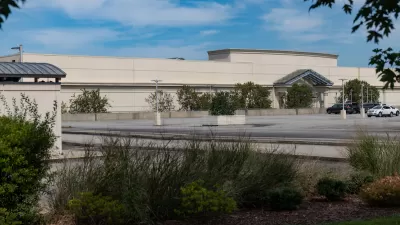
Pennsylvania Mall Conversion Bill Passes House
If passed, the bill would promote the adaptive reuse of defunct commercial buildings.

Coming Soon to Ohio: The Largest Agrivoltaic Farm in the US
The ambitious 6,000-acre project will combine an 800-watt solar farm with crop and livestock production.
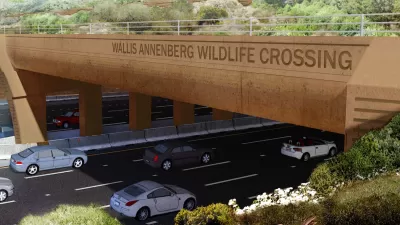
World's Largest Wildlife Overpass In the Works in Los Angeles County
Caltrans will soon close half of the 101 Freeway in order to continue construction of the Wallis Annenberg Wildlife Crossing near Agoura Hills in Los Angeles County.

California Grid Runs on 100% Renewable Energy for Over 9 Hours
The state’s energy grid was entirely powered by clean energy for some portion of the day on 37 out of the last 45 days.

New Forecasting Tool Aims to Reduce Heat-Related Deaths
Two federal agencies launched a new, easy-to-use, color-coded heat warning system that combines meteorological and medical risk factors.

AI Traffic Management Comes to Dallas-Fort Worth
Several Texas cities are using an AI-powered platform called NoTraffic to help manage traffic signals to increase safety and improve traffic flow.
City of Costa Mesa
Licking County
Barrett Planning Group LLC
HUD's Office of Policy Development and Research
Mpact Transit + Community
HUD's Office of Policy Development and Research
Tufts University, Department of Urban and Environmental Policy & Planning
City of Universal City TX
ULI Northwest Arkansas

Urban Design for Planners 1: Software Tools
This six-course series explores essential urban design concepts using open source software and equips planners with the tools they need to participate fully in the urban design process.
Planning for Universal Design
Learn the tools for implementing Universal Design in planning regulations.
