


Walkability has been shown to greatly improve the health and wellbeing of senior citizens. In response to recent studies on this issue, planners are looking to create walkable neighborhoods that encourage healthy habits for residents of all ages.


"Studies are starting to show a neighborhood's walkability - how well its streets connect and whether it has sidewalks, nearby shopping and welcoming public places - helps or hinders how well its residents age."
"The connection between environment and function in older adults is prompting collaborations across the country - among urban planners, university researchers, public-health officials and citizen activists. What's happening in the Puget Sound area is at the heart of the effort."
"'We've come to the conclusion if you build things so that people can live their whole lives in a place and still be active, then you don't have to retrofit and rebuild and start all over again,' said Rosemary Cunningham, strategic planning manager with the city of Seattle's Aging and Disability Services."
FULL STORY: Walkability helps older adults stay healthy, studies say


Pennsylvania Mall Conversion Bill Passes House
If passed, the bill would promote the adaptive reuse of defunct commercial buildings.
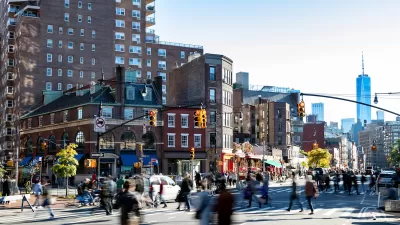
Planning for Accessibility: Proximity is More Important than Mobility
Accessibility-based planning minimizes the distance that people must travel to reach desired services and activities. Measured this way, increased density can provide more total benefits than increased speeds.
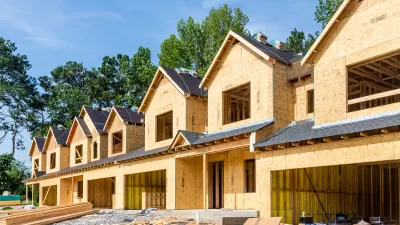
Fair Housing Cannot Take a Back Seat to ‘Build, Baby, Build’
If we overlook fair housing principles in the plan to build US housing back better, we risk ending up right back where we started.

LA Metro Board Approves New 710 Freeway Plan
The newest plan for the 710 corridor claims it will not displace any residents.

Austin’s Proposed EV Charging Rules Regulate Station Locations, Size
City planners say the new rules would ensure an efficient distribution of charging infrastructure across the city and prevent an overconcentration in residential areas.

Making California State Parks More Climate-Resilient
A recently released report offers recommendations for keeping state parks healthy and robust, including acquiring additional land for conservation and recreation.
City of Costa Mesa
Licking County
Barrett Planning Group LLC
HUD's Office of Policy Development and Research
Mpact Transit + Community
HUD's Office of Policy Development and Research
Tufts University, Department of Urban and Environmental Policy & Planning
City of Universal City TX
ULI Northwest Arkansas

Urban Design for Planners 1: Software Tools
This six-course series explores essential urban design concepts using open source software and equips planners with the tools they need to participate fully in the urban design process.
Planning for Universal Design
Learn the tools for implementing Universal Design in planning regulations.
