


Reporter Ted Smalley Bowen checks in with LEED's leaders and other interested folks to find out what's next for the world's fastest-growing green-building scheme.


"LEED-certified buildings are still about as rare as major wind farms in the U.S. So far, fewer than 300 projects have been certified, and about 2,200 have been registered, according to USGBC officials. Registration involves a fairly simple project description and a summary of the LEED credits the developer expects to earn, but actual certification requires thorough documentation, review, and commissioning, a process that can take many months and, some green-building practitioners argue, considerably drive up costs."
"Even as debate roils about LEED's effectiveness and user-friendliness, the system is spreading rapidly. Federal departments and agencies and state and local governments are adopting LEED as a guideline or requirement for their own projects, and tax breaks and other LEED incentives are cropping up around the U.S. In many ways, LEED's success is raising the stakes and intensifying arguments over the program's flaws."
Thanks to Andy Slabaugh
FULL STORY: Constructive Criticism

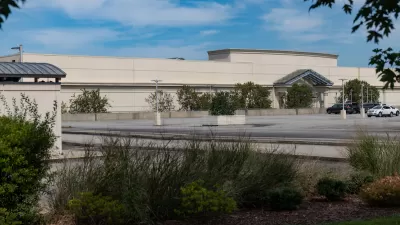
Pennsylvania Mall Conversion Bill Passes House
If passed, the bill would promote the adaptive reuse of defunct commercial buildings.
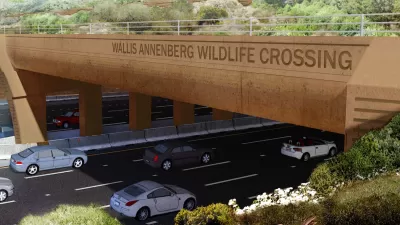
World's Largest Wildlife Overpass In the Works in Los Angeles County
Caltrans will soon close half of the 101 Freeway in order to continue construction of the Wallis Annenberg Wildlife Crossing near Agoura Hills in Los Angeles County.

U.S. Supreme Court: California's Impact Fees May Violate Takings Clause
A California property owner took El Dorado County to state court after paying a traffic impact fee he felt was exorbitant. He lost in trial court, appellate court, and the California Supreme Court denied review. Then the U.S. Supreme Court acted.

Minneapolis as a Model for Housing Affordability
Through a combination of policies, the city has managed to limit the severity of the nationwide housing crisis.

Indy Bikeshare System Turns 10, Expands to E-Bikes
Pacers Bikeshare riders logged over 700,000 rides since the system launched in 2014.

Coming Soon to Ohio: The Largest Agrivoltaic Farm in the US
The ambitious 6,000-acre project will combine an 800-watt solar farm with crop and livestock production.
City of Costa Mesa
Licking County
Barrett Planning Group LLC
HUD's Office of Policy Development and Research
Mpact Transit + Community
HUD's Office of Policy Development and Research
Tufts University, Department of Urban and Environmental Policy & Planning
City of Universal City TX
ULI Northwest Arkansas

Urban Design for Planners 1: Software Tools
This six-course series explores essential urban design concepts using open source software and equips planners with the tools they need to participate fully in the urban design process.
Planning for Universal Design
Learn the tools for implementing Universal Design in planning regulations.
