


A new analysis of Census data using new geographic definitions finds that the bulk of large central cities added population so far this decade.


The first half of the 2000s mark a slowdown and reshuffling of population growth in metro areas from that found in the 1990s, reflecting the reactions of workers and households to the cooling of the job market in some places and the heating of housing prices in others. Overall, however, the estimates for this new decade show that large and small metro areas will continue to surge as they did in the 1990s.
Among the findings:
The fast-growing metropolitan areas of the 1990s became some of the slowest-growing in the first half of the 2000s, reflecting shifts in regional employment and housing dynamics since the late 1990s. San Jose, San Francisco, and Boston moved onto the list of slowest-growing metropolitan areas from 2000 to 2004, likely propelled by the post-2000 decline of technology industries and still-rising housing costs. Meanwhile, non-coastal, more affordable areas like Riverside, Stockton, and Sacramento climbed to rank among the fastest-growing metros, while increased growth in Albany, Hartford, and Providence perhaps reflects their "release valve" function in the New York and Boston housing markets.
Thanks to Brookings Institution
FULL STORY: Metropolitan America in the New Century: Metropolitan and Central City Demographic Shifts Since 2000

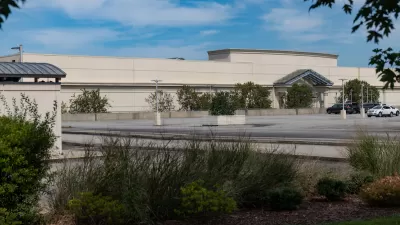
Pennsylvania Mall Conversion Bill Passes House
If passed, the bill would promote the adaptive reuse of defunct commercial buildings.
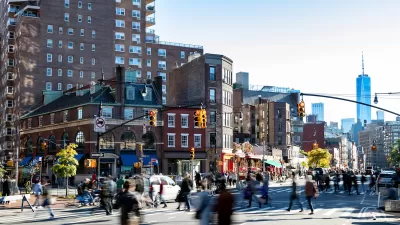
Planning for Accessibility: Proximity is More Important than Mobility
Accessibility-based planning minimizes the distance that people must travel to reach desired services and activities. Measured this way, increased density can provide more total benefits than increased speeds.
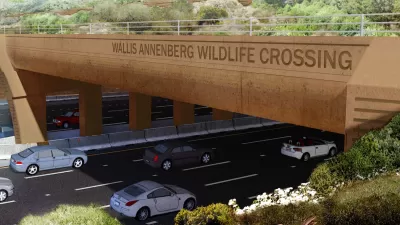
World's Largest Wildlife Overpass In the Works in Los Angeles County
Caltrans will soon close half of the 101 Freeway in order to continue construction of the Wallis Annenberg Wildlife Crossing near Agoura Hills in Los Angeles County.

Eviction Looms for Low-Income Tenants as Rent Debt Rises
Nonprofit housing operators across the country face almost $10 billion in rent debt.

Brightline West Breaks Ground
The high-speed rail line will link Las Vegas and the Los Angeles area.

Colorado Bans No-Fault Evictions
In most cases, landlords must provide a just cause for evicting tenants.
City of Costa Mesa
Licking County
Barrett Planning Group LLC
HUD's Office of Policy Development and Research
Mpact Transit + Community
HUD's Office of Policy Development and Research
Tufts University, Department of Urban and Environmental Policy & Planning
City of Universal City TX
ULI Northwest Arkansas

Urban Design for Planners 1: Software Tools
This six-course series explores essential urban design concepts using open source software and equips planners with the tools they need to participate fully in the urban design process.
Planning for Universal Design
Learn the tools for implementing Universal Design in planning regulations.
