


A Yale professor explores the evolution of New Haven, Connecticut, drawing conclusions about urbanism as a whole in the process.


In his new book, City: Urbanism and Its End, Yale professor Douglas Rae paints a deep portrait of the rise and fall of New Haven, relying on exhaustive research from personal interviews to statistical analysis. In the end, [he] has provided the blueprint for the next generation of thinkers and city dwellers who debate the future of urban America. Major themes include the need for density and a middle-class to maintain urban vitality. Drawing from his difficult time as an administrator in New Havens City Hall, Rae also concluded that government in general can accomplish a lot less than people realize. Company owners, transportation needs, the spending decisions of federal and state governments and segregation all had a significant impact on New Haven.
Thanks to David Gest
FULL STORY: “Rae of Hope”

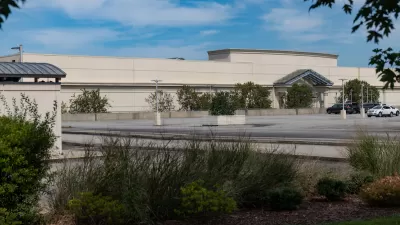
Pennsylvania Mall Conversion Bill Passes House
If passed, the bill would promote the adaptive reuse of defunct commercial buildings.

Planning for Accessibility: Proximity is More Important than Mobility
Accessibility-based planning minimizes the distance that people must travel to reach desired services and activities. Measured this way, increased density can provide more total benefits than increased speeds.
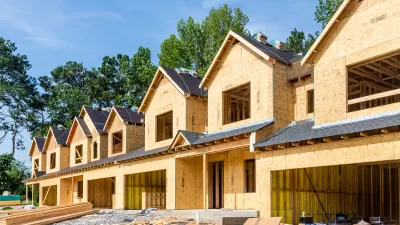
Fair Housing Cannot Take a Back Seat to ‘Build, Baby, Build’
If we overlook fair housing principles in the plan to build US housing back better, we risk ending up right back where we started.

LA Metro Board Approves New 710 Freeway Plan
The newest plan for the 710 corridor claims it will not displace any residents.

Austin’s Proposed EV Charging Rules Regulate Station Locations, Size
City planners say the new rules would ensure an efficient distribution of charging infrastructure across the city and prevent an overconcentration in residential areas.

Making California State Parks More Climate-Resilient
A recently released report offers recommendations for keeping state parks healthy and robust, including acquiring additional land for conservation and recreation.
City of Costa Mesa
Licking County
Barrett Planning Group LLC
HUD's Office of Policy Development and Research
Mpact Transit + Community
HUD's Office of Policy Development and Research
Tufts University, Department of Urban and Environmental Policy & Planning
City of Universal City TX
ULI Northwest Arkansas

Urban Design for Planners 1: Software Tools
This six-course series explores essential urban design concepts using open source software and equips planners with the tools they need to participate fully in the urban design process.
Planning for Universal Design
Learn the tools for implementing Universal Design in planning regulations.
